
Improve Operations

Find what is constraining performance and turn the analysis into operating improvement.

B2 helps clients understand how the operating system actually works, identify what constrains performance, build a fact-based path forward, and put the necessary changes into operation.

When clients call B2

Recognizable situations

  • Performance has deteriorated and the cause remains unclear
  • Material, information, or decisions do not flow reliably across the operation
  • Teams have local explanations but no shared view of the system
  • Leadership needs better operating controls or decision support
  • A disruption or transition has exposed weaknesses in the operating model
  • The organization knows what should improve but cannot convert analysis into sustained execution

What B2 brings

Capability around the objective

Client objectiveImprove Operations
01Manufacturing systems and material flow
02Capacity, throughput, cycle time, and constraint analysis
03Production control and operating performance
04Planning-to-execution alignment
05Supply-chain and network coordination
06Operational analytics and decision support
07Change adoption and stabilization

How B2 works

From Understanding to Operations

B2 does not arrive with a predetermined answer. We build context with the people closest to the work, diagnose the system, evaluate options, and stay close enough to implementation to see whether the change actually works.

  1. 01

    Build Relationships

    Build rapport with the people who own, perform, support, and experience the work. Better trust produces better context, earlier concerns, and more useful participation.

  2. 02

    Understand

    Observe the work, gather data, map the process, and understand both the formal operating model and how people experience it in practice.

  3. 03

    Diagnose

    Separate symptoms from root causes and identify the constraints, dependencies, and control gaps that actually drive performance.

  4. 04

    Evaluate

    Develop practical alternatives and make trade-offs visible across operating impact, timing, risk, cost, and organizational effort.

  5. 05

    Decide

    Give leaders enough evidence and structure to make a clear decision without waiting for artificial consensus.

  6. 06

    Implement

    Translate the decision into ownership, controls, work plans, operating mechanisms, analytics, and change activities.

  7. 07

    Stabilize

    Monitor the result, address new constraints, reinforce adoption, and transfer the improved operating model into normal ownership.

Relevant evidence

Work that demonstrates the pattern

Manufacturing and Operations

Stabilizing material flow after a major operating disruption

IndustryAluminum manufacturing
Technology contextSAP transaction consistency · Microsoft Power Automate · Microsoft Forms · Microsoft Bookings · Microsoft Office

B2 supported a heavy-manufacturing organization as it operated through a major production disruption, an external supply network, and the eventual reintegration of native production capacity.

What changed Work connected material movement, logistics, planning, operating controls, and analytics so leaders could manage the transition with better visibility and coordination.

Trust signal The client brought B2 back for a broader second engagement after the initial assignment.

Improve OperationsManufacturingSupply Chain
Analytics and Decision Support

Moving advanced analytics from exploratory work toward operations

IndustryHealthcare distribution
Technology contextBig Data · Advanced analytics

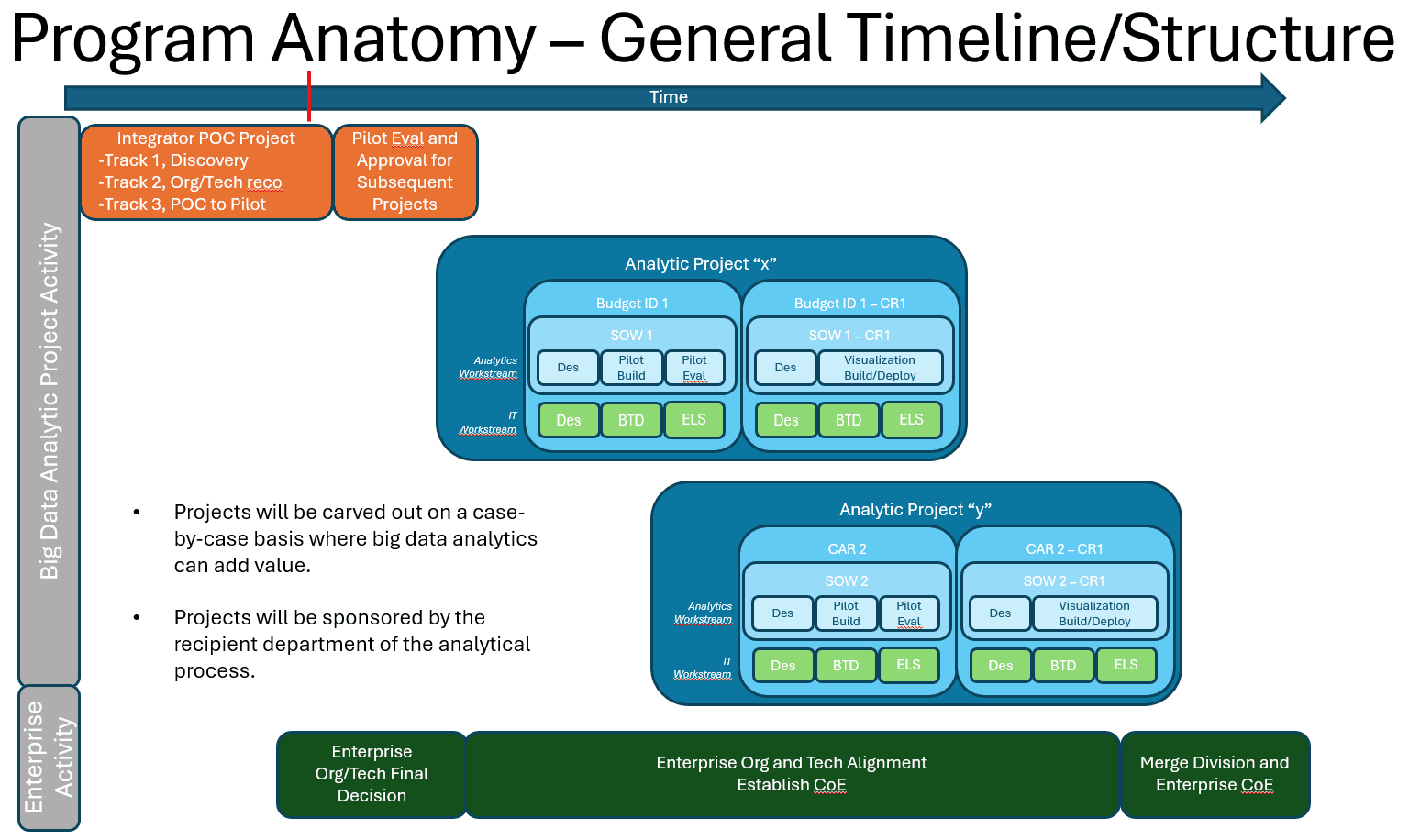
Brownlee led a multi-vendor advanced analytics program for a Fortune 20 healthcare organization, coordinating commercial, technical, and program responsibilities across a complex ecosystem.

What changed The initiative successfully graduated from exploratory pilot activity into the next phase focused on operationalizing capabilities, lessons, and decisions.

AnalyticsProgram LeadershipDecision Support
Review the curated library of completed client work

Why B2

Experienced judgment close to the work

First-Principles Systems Thinking

Understand how the underlying system works before prescribing a path forward.

Relationship-Based Discovery

Work with the people inside the operation to improve information quality and reduce avoidable resistance.

Multidisciplinary Range

Connect operations, analytics, technology, supply chain, change, and program leadership when the problem crosses functional boundaries.

Outcome Focus

Keep the work oriented toward productive operations rather than analysis or activity alone.

Start a conversation

The objective is not a better diagnosis. It is a better-running operation.

B2 can enter at discovery, lead a targeted improvement effort, or stay through implementation and stabilization when the situation requires it.

Discuss an Operational Challenge